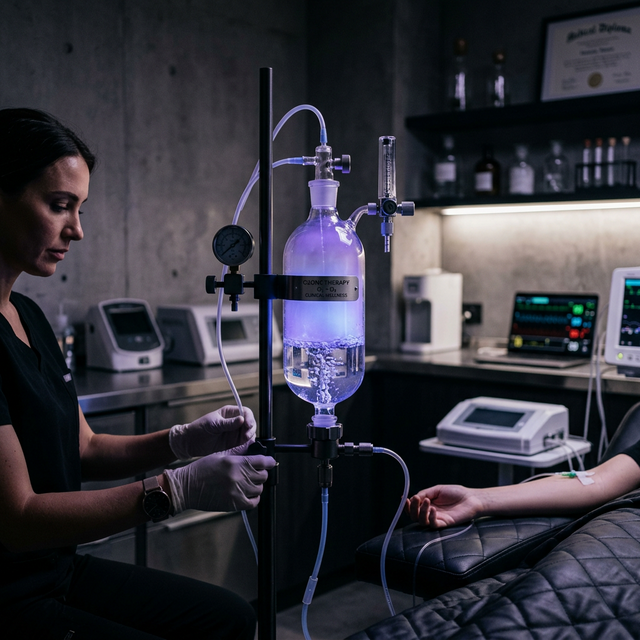
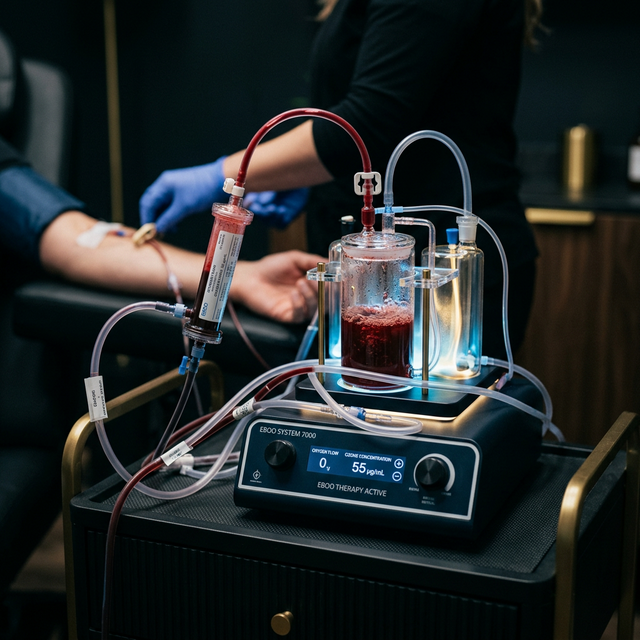
Medical ozone therapy is both one of the most enthusiastically promoted and most misunderstood treatments in integrative medicine. Advocates describe it as a near-universal healing agent. Critics dismiss it as pseudoscience. The truth — as it almost always is with emerging therapies — is more nuanced than either extreme.
This article provides a structured, evidence-based assessment of what ozone therapy actually does well, where the evidence is weak, and what safety risks you need to understand before deciding whether ozone therapy is right for you.
Disclaimer: This article is for educational purposes only. Ozone therapy is not FDA-approved in the United States. Consult a licensed healthcare provider before pursuing any ozone-based treatment.
Setting the Context: What Kind of Evidence Exists?
Before diving into benefits, it's important to understand the state of the ozone therapy evidence base:
Geographic concentration: The majority of clinical research comes from Germany, Italy, Spain, Cuba, and Russia — countries where ozone therapy has been practiced in medical settings for decades. This creates a knowledge base that is substantial but less familiar to U.S.-trained clinicians.
Study quality variation: High-quality RCTs exist, particularly in orthopedics and wound care. Many studies in chronic disease are smaller, non-randomized, or lack adequate blinding. This doesn't invalidate them — but it does require careful interpretation.
Ozone concentration and method variability: Different studies use different ozone concentrations, delivery methods, and treatment frequencies. This variability makes meta-analysis difficult and direct comparison between studies tricky.
The regulatory context: The FDA's non-approval of ozone limits U.S.-based clinical trial funding, creating a research gap that doesn't reflect a lack of scientific validity so much as a regulatory and funding barrier.
Ozone Therapy Benefits: What the Evidence Supports
1. Knee Osteoarthritis — Strong Evidence
Evidence Level: Moderate-to-Strong (Multiple RCTs)
Intra-articular (in-joint) ozone injection for knee osteoarthritis is among the best-studied applications of ozone therapy. Multiple RCTs and systematic reviews have evaluated its effectiveness:
- A 2018 meta-analysis (Mehraban et al.) of 8 RCTs including 485 patients concluded that intra-articular ozone significantly reduced VAS (visual analog scale) pain scores versus placebo at both 4 and 12 weeks
- A 2015 RCT (Hashemi et al., n=90) found ozone plus corticosteroid significantly outperformed corticosteroid alone at 6-month follow-up
- Several trials found intra-articular ozone comparable to or modestly superior to hyaluronic acid injections
The mechanism: ozone reduces inflammatory cytokines within the joint space and may slow cartilage degradation via antioxidant enzyme upregulation.
Practical significance: For patients with knee OA seeking pain relief without surgery or long-term NSAIDs, intra-articular ozone represents a meaningful evidence-based option — with a number of orthopedic and sports medicine physicians now offering it.
2. Diabetic Foot Ulcers and Chronic Wound Healing — Strong Evidence
Evidence Level: Strong (Multiple Controlled Studies and Systematic Reviews)
Topical ozone therapy — delivered via ozone-oxygen gas bagging or ozonated oils — has substantial evidence for wound healing:
- A 2019 systematic review in Advances in Wound Care identified 7 controlled studies with generally positive outcomes for topical ozone in chronic non-healing wounds
- Multiple studies demonstrate accelerated healing of diabetic foot ulcers with topical ozone, which is significant given the severe clinical burden of these wounds
- Ozonated olive oil has antimicrobial properties documented against wound pathogens including MRSA
The mechanisms are particularly well-suited to wound care: direct antimicrobial action, local oxidative stress reduction, promotion of tissue oxygenation, and immune cell recruitment stimulation.
3. Herniated Disc and Radiculopathy — Moderate-to-Strong Evidence
Evidence Level: Moderate-Strong (Multiple RCTs from Italy and Spain)
Intradiscal and paravertebral ozone injection (combined ozone-oxygen gas into or near the herniated disc) has been studied extensively in Italian and Spanish clinical research:
- Multiple RCTs demonstrate meaningful pain reduction (measured by VAS and Oswestry Disability Index) compared to placebo injections
- Some studies show reduced requirement for subsequent surgery in patients treated with ozone
- Proposed mechanism: ozone causes dehydration (ozonolysis) of the proteoglycan matrix in the disc — literally shrinking the herniated material — combined with anti-inflammatory effects on surrounding nerve tissue
This is an area where ozone therapy offers a potentially significant clinical benefit for a common, disabling condition where conventional options (NSAIDs, physical therapy, epidural steroids, surgery) are often insufficient.
4. Dental Applications — Excellent Evidence
Evidence Level: Strong (Best Overall Evidence Base)
Dental ozone arguably has the strongest, most rigorous evidence base of any ozone therapy application:
- Effective for caries management: HealOzone (ozone dental device) significantly reduces caries-associated bacteria and supports remineralization — supported by multiple RCTs
- Periodontal disease: ozone as an adjunct to scaling and root planing shows improved clinical outcomes in multiple controlled trials
- Endodontic disinfection: ozonated water and gas demonstrate superior disinfection compared to conventional irrigants in several studies
- Rickard et al. (2004) and multiple subsequent RCTs confirm HealOzone's antibacterial and remineralization efficacy
Dental ozone is perhaps the most underappreciated application — and the one with the most robust peer-reviewed support.
5. Peripheral Arterial Disease (PAD) — Moderate Evidence
Evidence Level: Moderate (European and Cuban Clinical Series)
Multiple European and Cuban clinical studies support Major Autohemotherapy for patients with peripheral arterial disease:
- Improved walking distance on treadmill testing
- Improved wound healing in patients with ischemic limbs
- Improved quality of life measures
- CENIC (Cuba's national ozone therapy research center) has published substantial clinical data
The vascular mechanisms (nitric oxide promotion, reduced blood viscosity, improved RBC oxygen delivery) are particularly well-suited to PAD's pathophysiology of reduced peripheral blood flow.
6. Chronic Hepatitis B/C — Preliminary Evidence
Evidence Level: Preliminary (Largely Non-Randomized)
Cuban CENIC research demonstrates improved liver enzyme profiles and viral load markers with MAH and rectal insufflation in chronic hepatitis patients. However, most of this data is non-randomized, and the role of ozone as adjunctive (not curative) treatment must be emphasized.
Ozone Therapy Benefits: Where Evidence Is Preliminary
The following applications are actively studied but currently lack sufficient controlled trial evidence to make confident clinical recommendations:
Chronic Fatigue Syndrome / ME/CFS and Long COVID: Small pilot studies and observational series report subjective improvement in fatigue, cognitive function, and post-exertional malaise with MAH. No large, well-designed RCTs have been completed as of early 2026. Interest in this application accelerated significantly post-COVID.
Autoimmune conditions: Theoretical basis in immune modulation; clinical evidence is primarily case reports and small series. Ozone's ability to reduce inflammatory cytokines is relevant, but the risk of triggering autoimmune flares requires careful clinical evaluation.
COVID-19 adjunctive support: Small Italian hospital case series showed promising outcomes. Subsequent larger trials have produced mixed results. Not established as standard of care.
Cognitive and neurological conditions: Mostly preclinical data. The mechanism of systemic ozone affecting brain function is indirect — improved cerebrovascular blood flow and reduced systemic inflammation. No adequately powered human trials exist for cognitive improvement.
Ozone Therapy Claims Without Scientific Support
These frequently marketed claims lack credible clinical evidence:
- "Detoxification" as a primary mechanism (vague; not validated as a specific clinical outcome)
- Weight loss
- Athletic performance enhancement in otherwise healthy athletes
- Curing autoimmune or neurodegenerative diseases
- Cancer treatment or prevention — explicitly rejected by ISCO3, the international ozone therapy guidelines body
Any practitioner claiming ozone therapy can cure cancer should be viewed with serious skepticism.
Ozone Therapy Risks and Side Effects
Common Side Effects (Typically Mild and Transient)
- Jarisch-Herxheimer-like reaction: Temporary flu-like symptoms 24-48 hours after initial treatments — theoretically a microbial die-off reaction. Resolves within a day or two.
- Local soreness at injection or cannulation sites: Especially with intra-articular injections or MAH. Resolves within 24-72 hours.
- Mild fatigue or lightheadedness post-MAH session. Resolves within hours.
- Nausea or bloating with rectal insufflation.
- Temporary symptom worsening in the first 1-3 sessions — reported as a "healing reaction" by ozone practitioners.
Serious Risks (Rare With Proper Administration)
Gas embolism: The most critical theoretical risk — but only associated with the dangerous and obsolete direct IV gas injection method. Properly performed MAH using closed-loop systems does not carry meaningful gas embolism risk.
Inhalation toxicity: Ozone gas is toxic to the respiratory system above 0.1 ppm. All clinical setups must include ozone destruction units. Ozone must never be administered nasally, orally, or via any inhalation route.
Hemolysis: At excessively high concentrations, ozone can destroy red blood cells. Prevented by proper dosing.
Oxidative overdose: Supratherapeutic concentrations produce direct oxidative toxicity. Proper dosing and recovery intervals are essential.
Absolute Contraindications to Ozone Therapy
These conditions are absolute contraindications — ozone therapy should not be administered under any circumstances without specialist consultation:
- G6PD deficiency — Cannot manage oxidative stress; risk of acute hemolytic anemia. G6PD testing is mandatory before any ozone treatment.
- Active hemorrhage or bleeding disorders
- Severe thrombocytopenia (platelets < 50,000/mcL)
- Pregnancy — Insufficient safety data; theoretical fetal risk
- Uncontrolled hyperthyroidism
- Acute myocardial infarction (within 3-6 months)
- Ozone hypersensitivity
- Severe anemia (Hb < 7 g/dL)
- Organ transplant recipients on immunosuppression — requires specialist consultation
- Alcohol intoxication
Relative Contraindications (Require Careful Evaluation)
- Hemophilia and coagulopathies
- Anticoagulant therapy (warfarin, NOACs, aspirin, clopidogrel)
- Active autoimmune flare
- Uncontrolled hypertension
- Recent stroke (within 3 months)
- Severe heart failure (NYHA Class III-IV)
- Pediatric patients (limited safety data)
- Patients on intensive chemotherapy
Drug Interactions to Know
| Drug/Substance | Interaction | Management |
|---|---|---|
| High-dose vitamin C or E | Blunts the therapeutic oxidative signal | Avoid 4-6 hours before and 2 hours after treatment |
| Anticoagulants (warfarin, NOACs) | Additive bleeding risk | Monitor closely; reduce ozone dose |
| Immunosuppressants | Ozone's immune stimulation may counteract | Specialist consultation required |
| Platinum-based chemotherapy | Theoretical oxidative interaction | Oncologist consultation mandatory |
The Safety Track Record
Ozone therapy's safety record in properly administered, properly screened patients is noteworthy. A landmark German safety survey (Jacobs, 1982) covering 384,775 ozone treatments reported:
- Complication rate: ~0.0007% (7 per million sessions)
- No fatalities attributed to correctly administered autohemotherapy
This safety record compares favorably with many conventionally accepted procedures and medications. The key qualifier: "correctly administered" and "properly screened." Practitioners who skip G6PD testing or use obsolete injection methods are responsible for most documented adverse events.
The Bottom Line: Ozone Therapy Benefits and Risks
Ozone therapy is neither the miracle cure some clinics claim nor the fringe pseudoscience some critics label it. It occupies a legitimate but still-evolving position in integrative medicine.
Where evidence is strong and risk-benefit clearly favorable:
- Knee osteoarthritis (intra-articular)
- Chronic wound healing (topical)
- Herniated disc/radiculopathy (intradiscal/paravertebral)
- Dental applications
Where it's promising but warrants cautious optimism:
- Peripheral arterial disease
- Chronic fatigue and immune support
- Post-viral recovery (Long COVID)
Where claims exceed evidence:
- Anti-aging, detox, weight loss, cancer treatment, performance enhancement
If you are considering ozone therapy, the single most important steps are: (1) complete G6PD testing first, (2) work with an AAO-certified or equivalent practitioner, and (3) disclose all medications and conditions. Done correctly, ozone therapy has an excellent safety record. Done incorrectly, it can cause serious harm.
Related reading:
- What Is Ozone Therapy? How It Works and What to Expect
- Major Autohemotherapy: The Complete Patient Guide
- IV Therapy Safety Guide: What You Need to Know
- EBOO vs. Ozone Therapy: Which Is Right for You?
This article is for educational purposes only. Ozone therapy is not FDA-approved. Consult a licensed, qualified healthcare provider before pursuing any ozone-based treatment.