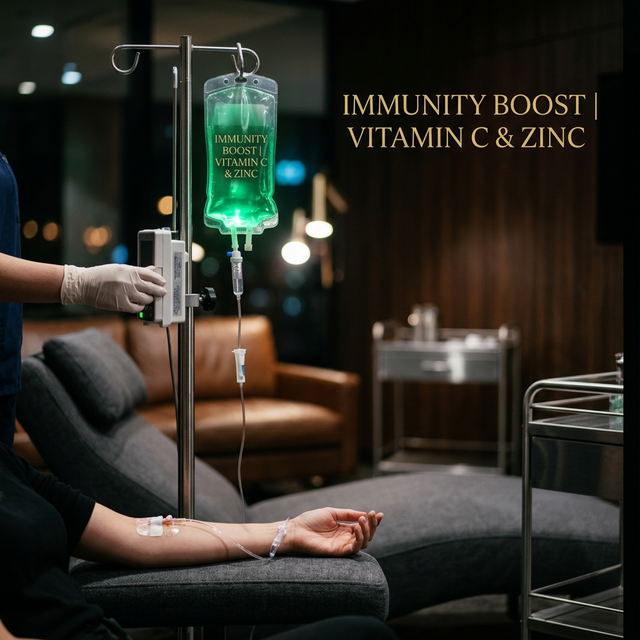
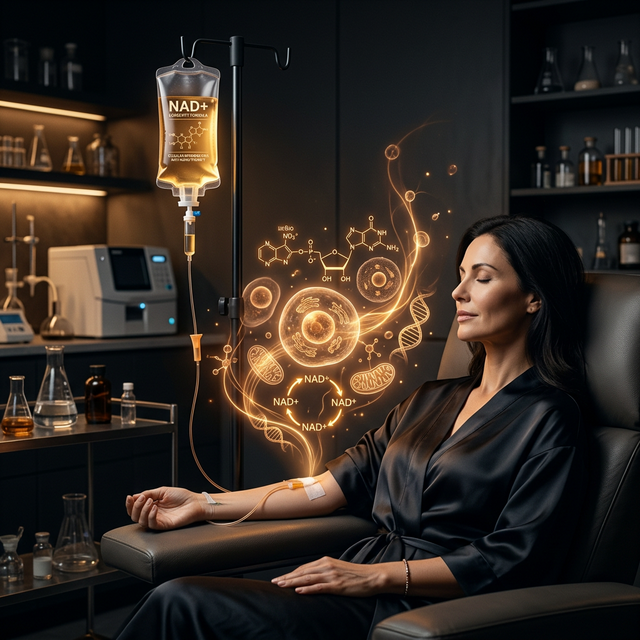
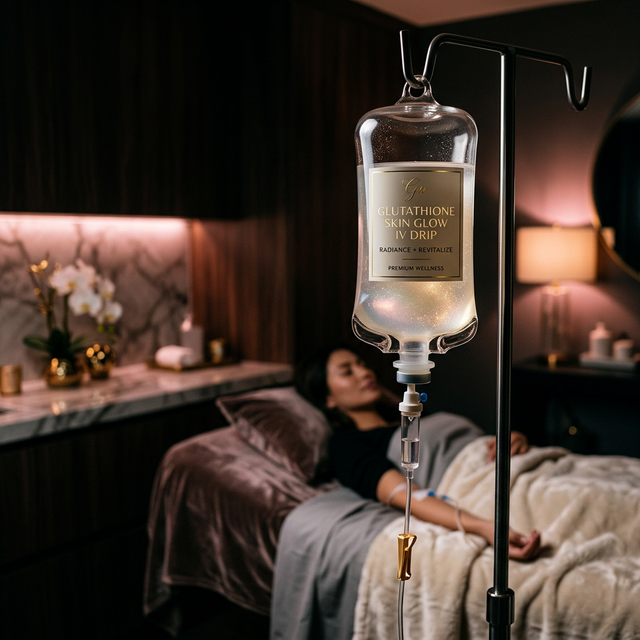
The central marketing claim for every IV drip, infusion, and wellness IV treatment is some version of this: "IV delivery is superior because nutrients bypass the gut and enter your bloodstream directly at much higher concentrations."
Is this true? Yes — but with significant qualifications that the wellness industry rarely volunteers. IV delivery is pharmacokinetically superior for specific nutrients at specific doses. But pharmacokinetic superiority does not automatically translate to clinical superiority in outcomes. And for the majority of wellness nutrients in adequately nourished individuals, the differences may be less dramatic than clinic marketing suggests.
This article gives you the honest, evidence-based comparison — so you can make informed decisions about when IV therapy offers genuine value and when high-quality oral supplements are the more rational choice.
Disclaimer: This article is for educational purposes only. Consult a licensed healthcare provider before starting any IV therapy or supplementation protocol.
The Fundamental Pharmacokinetic Argument for IV
Let's start with the strongest, most rigorously documented case for IV delivery: vitamin C.
When you take vitamin C orally, it is absorbed via two sodium-dependent vitamin C transporters (SVCT1, SVCT2) in the intestinal lining. These transporters have a finite capacity and become saturated at relatively low doses:
| Oral Vitamin C Dose | Estimated Plasma Concentration |
|---|---|
| 200 mg | ~8-10 micromolar (uM) |
| 1,000 mg | ~70-80 uM |
| 2,000 mg | ~80 uM (plateau — no significant further rise) |
| 4,000 mg | ~82 uM (essentially no benefit over 1,000 mg) |
Now compare with IV delivery:
| IV Vitamin C Dose | Estimated Plasma Concentration |
|---|---|
| 5g (5,000 mg) | ~300-400 uM |
| 25g (25,000 mg) | ~2,000-5,000 uM |
| 100g (100,000 mg) | >20,000 uM |
This is a 30-250x difference in achievable plasma concentration — documented rigorously by Dr. Mark Levine's NIH team in peer-reviewed PNAS and Annals of Internal Medicine publications (1996-2004). This is not contested pharmacology.
What this means in practice: Above a plasma vitamin C concentration of approximately 80 uM — which marks the absolute ceiling of oral dosing — pharmacological mechanisms activate that are simply not accessible through oral intake. High-dose IV vitamin C generates extracellular hydrogen peroxide via Fenton chemistry, demonstrating selective toxicity to pathogens and cancer cells. This mechanism cannot be achieved with any amount of oral vitamin C.
The pharmacokinetic case for IV is genuinely strong — for vitamin C at high doses. How does this principle hold up for other nutrients?
Nutrient-by-Nutrient Comparison: When IV Wins and When It Doesn't
Vitamin C — Strong Case for IV at High Doses
When IV is clearly superior:
- High-dose pharmacological applications (>5g) — cancer supportive care, acute viral illness, post-illness recovery
- Any situation requiring plasma concentrations above the oral absorption ceiling (~80 uM)
When oral is adequate:
- Daily immune maintenance (500-2,000 mg oral achieves the physiological range needed for normal immune function)
- General antioxidant support
Verdict: IV wins definitively for pharmacological-dose applications. Oral is sufficient for daily maintenance.
Magnesium — Meaningful IV Advantage
Oral magnesium has two significant limitations:
- GI absorption efficiency is 30-40% for most forms (even "highly bioavailable" forms like glycinate or malate)
- Higher oral doses commonly cause osmotic diarrhea — limiting how much can be meaningfully absorbed
IV magnesium achieves 100% bioavailability and can correct deficiency rapidly without GI side effects. It is one of the most compelling IV delivery arguments outside of vitamin C.
When IV is clearly superior:
- Documented magnesium deficiency (common — affecting 15-20% of the general population)
- Acute conditions requiring rapid correction (migraines, muscle spasms, asthma attacks)
- Patients with GI conditions limiting oral absorption
When oral is adequate:
- Maintenance supplementation in individuals without significant deficiency or absorption issues
Verdict: Strong case for IV when deficiency correction or higher doses are needed. Oral is appropriate for maintenance.
Glutathione — Contested
This is where the pharmacokinetic argument gets complicated:
The old dogma: Oral glutathione is poorly absorbed (broken down by GI tract proteases). IV delivery is essential for meaningful supplementation.
The current evidence: A 2015 study by Richie et al. (European Journal of Nutrition) demonstrated that oral supplementation with 1,000 mg glutathione/day for 6 months produced significant and measurable increases in blood glutathione levels — challenging the "oral glutathione doesn't work" narrative.
The counter-challenge: IV glutathione has a plasma half-life of approximately 2-3 minutes. After IV administration, it is rapidly taken up by hepatocytes or cleaved by gamma-glutamyl transferase. The question of whether IV glutathione delivers more GSH to peripheral tissues (like skin melanocytes) than oral — at standard wellness doses — has not been definitively answered by comparative studies.
Alternatives to both: N-acetylcysteine (NAC) — which provides cysteine, the rate-limiting amino acid for intracellular GSH synthesis — has excellent oral bioavailability and raises intracellular GSH effectively. It is one of the most evidence-supported oral glutathione-boosting strategies.
Verdict: IV delivers faster hepatic glutathione repletion; for sustained systemic tissue levels, well-optimized oral (glutathione + NAC + ALA for recycling) may be comparably effective. IV is preferred for acute clinical needs or combination with IV vitamin C for synergistic skin effects.
NAD+ — Strong Case for IV for Acute Repletion
NAD+ is a large (663.4 g/mol), charged molecule that is degraded in the GI tract before meaningful absorption when taken as NAD+ orally. This is the clearest pharmacokinetic argument for IV among all NAD+-related supplements.
However — and this is critical — oral precursors (NMN and NR) are smaller molecules with dedicated cellular transporters. They achieve 20-50% oral bioavailability and have been demonstrated to raise blood NAD+ in human RCTs.
Comparison:
| IV NAD+ | Oral NMN | Oral NR | |
|---|---|---|---|
| Bioavailability | 100% | 20-40% | 25-50% |
| Human RCT evidence | Weak (IV-specific) | Moderate, growing | Strongest in class |
| Best use | Acute repletion, addiction | Daily maintenance | Daily maintenance |
Verdict: IV NAD+ has clear bioavailability advantage over oral NAD+ specifically. But oral precursors (NMN/NR) have real bioavailability and superior clinical trial evidence for most wellness applications. A "load and maintain" strategy (IV for loading, oral for maintenance) is the most rational approach.
B Vitamins — Oral Usually Sufficient; IV for Deficiency or Malabsorption
B vitamins in general have reasonable oral bioavailability, though absorption varies:
- B12 (cyanocobalamin, methylcobalamin): Absorbed via intrinsic factor in the stomach; absorption is impaired in pernicious anemia, atrophic gastritis, and with proton pump inhibitor use. IV or IM B12 is clinically indicated for malabsorption states.
- B6: Generally well-absorbed orally; IV provides faster peak plasma levels
- Folate: Oral folate is well-absorbed; IV is used in clinical deficiency correction
Verdict: Oral B vitamins are appropriate for most wellness applications. IV is clinically justified for documented deficiency, malabsorption, or as part of a comprehensive IV formulation for acute illness support.
Zinc — Oral Generally Adequate; IV for Critical Care
Oral zinc (as zinc picolinate, glycinate, or acetate) has 20-40% bioavailability. This is adequate for supplementation purposes in most individuals. IV zinc is routinely used in parenteral nutrition and critical care — a well-established clinical context.
At wellness IV drip doses (1-5 mg elemental zinc per session), the marginal bioavailability advantage over oral is relatively small. The primary rationale for including zinc in an IV drip is the clinical convenience of delivering it simultaneously with other ingredients rather than a specific bioavailability argument.
Verdict: Oral zinc is appropriate for supplementation. IV zinc provides marginal bioavailability advantage; convenience benefit in combo infusions.
The Five Questions That Determine When IV Is Worth It
Use these questions to evaluate any specific nutrient or scenario:
1. Is there a meaningful oral absorption ceiling for this nutrient? If yes (vitamin C, NAD+): IV has a strong pharmacokinetic case. If no (most B vitamins): the IV advantage is smaller.
2. Does the patient have a GI condition limiting oral absorption? IBD, Crohn's, celiac, post-bariatric surgery, chronic alcoholism, short bowel syndrome — these are genuine medical indications where IV delivery bypasses a functionally impaired delivery system.
3. Is rapid, high-concentration delivery clinically necessary? Acute illness (severe viral infection, acute deficiency correction, addiction recovery) — yes, speed and concentration matter. General wellness maintenance — no.
4. Does the clinical goal require plasma concentrations above what oral can achieve? Cancer supportive care with high-dose vitamin C (>25g) — yes. Daily antioxidant protection — no.
5. Is the cost-benefit equation favorable for this person's situation? A monthly Myers' Cocktail ($150-$300) vs. a comprehensive oral supplement protocol ($50-$100/month) — the oral protocol may provide comparable benefit for general wellness. For acute illness or specific clinical needs, the IV cost may be justified.
The Honest Cost Comparison
| Approach | Monthly Cost | Best For |
|---|---|---|
| Quality oral multivitamin + vitamin C + magnesium + zinc | $30-$80 | Daily maintenance, healthy individuals |
| Oral NMN or NR + quality antioxidant supplement | $80-$200 | NAD+ maintenance, anti-aging |
| Monthly Myers' Cocktail IV | $150-$300 | Deficiency correction, wellness booster |
| Monthly NAD+ IV infusion | $350-$600 | High-dose NAD+ repletion |
| Weekly high-dose IV vitamin C | $800-$2,000 | Acute illness, cancer support |
The cost differential is significant. A comprehensive, well-chosen oral supplement regimen costs a fraction of regular IV therapy. For most generally healthy individuals, this cost delta is not justified by proportional outcome differences.
When the Evidence Clearly Favors IV Over Oral
To be direct about the cases where IV is the clearly appropriate choice:
Malabsorption conditions (IBD, celiac, post-bariatric surgery): GI tract cannot reliably absorb oral supplements — IV bypasses a broken delivery system. This is the most straightforward medical justification.
High-dose vitamin C pharmacological applications: Cancer supportive care, severe acute viral illness, post-illness recovery requiring >5g vitamin C — these require pharmacological concentrations inaccessible orally.
Acute deficiency correction: Documented severe deficiency requiring rapid repletion — IV delivers nutrients immediately, while oral supplementation takes days to weeks to restore depleted tissue stores.
Addiction recovery (NAD+): The high-dose, high-concentration acute neurochemical repletion needed during addiction recovery protocol has the strongest justification for IV NAD+ specifically.
Patients with significant nausea or vomiting making oral supplementation impractical.
When Oral Supplements Are the Rational Choice
Daily maintenance and prevention: For otherwise healthy, well-absorbing individuals, oral supplements are evidence-supported and dramatically more cost-effective for routine nutritional support.
Long-term NAD+ support: Oral NMN or NR have the strongest human clinical trial evidence for NAD+ outcomes and are far more practical and affordable for daily use than regular IV sessions.
Non-acute wellness goals: Anti-aging support, baseline immune maintenance, general energy — these goals are served by consistent daily oral supplementation without the cost, inconvenience, and minor risks of regular IV access.
When results are similar: For many people without specific deficiencies or malabsorption, the clinical outcome difference between optimized oral and IV supplementation is smaller than IV marketing implies.
The Hybrid Strategy That Makes the Most Sense
The most evidence-aligned and cost-rational approach for most health-conscious individuals combines both:
- Oral supplements as the daily foundation: Quality multinutrient base, optimized for your specific biomarkers (test, don't guess)
- IV therapy for acute needs: Acute illness, post-travel immune support, deficiency correction, addiction recovery, or cancer supportive care — situations where IV's pharmacokinetic advantages are most clinically relevant
- Periodic IV boosters: Monthly or quarterly sessions as adjuncts to a strong oral foundation, not as replacements for it
The Bottom Line
IV delivery is pharmacokinetically superior to oral delivery for specific nutrients under specific conditions — this is established science. But pharmacokinetic superiority is not the same as clinical superiority for all outcomes in all patients.
The honest answer: IV therapy offers genuine, evidence-based advantages for vitamin C at high doses, for individuals with absorption problems, for acute clinical applications, and for NAD+ repletion in addiction recovery. For general wellness maintenance in healthy, well-absorbing adults, high-quality oral supplementation is the more rational, far more accessible, and substantially less expensive approach for daily use — with IV sessions reserved for specific situations where IV's advantages are most relevant.
Related reading:
- High-Dose Vitamin C IV Therapy: Uses, Evidence, and Safety
- NAD+ IV vs. NMN and NR: Which Should You Choose?
- Glutathione IV Drip for Skin: Benefits, Evidence, and Safety
- Immunity IV Drip Benefits: What the Science Actually Supports
- IV Therapy and Advanced Wellness Treatments: The Complete Guide
This article is for educational purposes only. Consult a licensed healthcare provider before starting any IV therapy or supplementation protocol.