Clear Focus
Persistent fatigue & low energy
Explore a medical review of ongoing tiredness, selected tests and a plan for your day-to-day energy.
Medical Disclaimer
This article is for educational purposes only and does not constitute medical advice. The treatments described are not FDA-approved for the wellness indications discussed. Always consult a qualified, licensed healthcare provider before starting any IV therapy or advanced wellness treatment.
A new generation of health seekers is moving beyond traditional supplements and conventional medicine — and into the world of intravenous (IV) therapy and advanced wellness treatments. Whether you've heard about NAD+ drips from a biohacker podcast, seen EBOO therapy mentioned on a longevity blog, or simply wondered what actually goes into a "glow drip" at your local medspa, this guide covers everything.
We'll break down the science, separate evidence-based benefits from marketing hype, explain what each treatment costs, and help you figure out whether any of these therapies might be right for you — all based on the latest peer-reviewed research.
Medical Disclaimer: This guide is for educational purposes only and does not constitute medical advice. Always consult a qualified, licensed healthcare provider before starting any IV therapy or wellness treatment.
Intravenous (IV) therapy involves delivering fluids, vitamins, minerals, amino acids, antioxidants, and other bioactive compounds directly into the bloodstream through a vein. Unlike swallowing a pill or capsule, IV delivery bypasses the gastrointestinal tract entirely — meaning nutrients reach your cells at concentrations that oral intake simply cannot achieve.
The modern wellness IV industry traces its roots to Dr. John Myers, a Baltimore physician who developed the "Myers' Cocktail" — a foundational intravenous blend of magnesium, calcium, B vitamins, and vitamin C. His work established the blueprint that today's IV wellness clinics continue to build on.
By the 2020s, IV therapy had expanded far beyond simple nutrient replacement. Advanced treatments now include:
If you're new to this space, start by understanding who IV therapy is actually appropriate for before exploring specific treatments.
The core pharmacological argument for IV delivery rests on absorption ceiling limitations. Here's the clearest example:
When you take vitamin C orally, your gut uses specific protein transporters (SVCT1 and SVCT2) to absorb it. These transporters saturate at relatively low doses — meaning a 200 mg oral dose produces plasma vitamin C levels of roughly 8–10 micromolar (uM). Even megadosing at 2,000–4,000 mg orally barely moves the needle.
By contrast, IV administration of 25–100 grams of vitamin C can produce plasma concentrations of 5,000–20,000+ uM — a pharmacologically different concentration range that enables mechanisms impossible through oral intake. This was established definitively by Dr. Mark Levine's team at the NIH in a series of pharmacokinetic studies published in PNAS and Annals of Internal Medicine (1996–2004).
The same logic applies, with varying degrees of support, to:
The honest caveat: For many nutrients, the evidence that IV delivery produces clinically superior outcomes compared to well-optimised oral supplementation in healthy individuals remains incomplete. The pharmacokinetic argument is solid; the long-term clinical outcome data is still catching up.
For a detailed breakdown, read our guide: IV Drips vs. Oral Supplements: What the Evidence Actually Shows
EBOO (Extracorporeal Blood Oxygenation and Ozonation) is the most advanced form of medical ozone therapy available. Often called "ozone dialysis," it uses an external filtration circuit — similar in principle to dialysis equipment — to draw blood from the body, pass it through a specialized filter membrane where it is exposed to a precisely calibrated ozone-oxygen mixture, and return the treated blood intravenously.
Unlike Major Autohemotherapy (MAH), where 100–200 mL of blood is ozonated in a bag, EBOO can treat 2,000–3,000 mL of blood per session — roughly 40–60% of total blood volume. This gives it significantly higher theoretical ozone delivery capacity. To understand how EBOO differs from standard ozone therapy, it helps to first understand how both approaches work at a biological level.
A typical EBOO session runs 60–90 minutes. If you're wondering what to expect at your first EBOO session, here's the clinical process:
During treatment, patients typically lie comfortably. Some report a mild warming sensation and heightened energy awareness.
The research-supported benefits of EBOO align with other ozone modalities but at higher throughput:
| Claimed Benefit | Evidence Level |
|---|---|
| Improved cellular oxygenation | Mechanistically established; limited clinical RCTs |
| Chronic fatigue support | Preliminary; case series data |
| Immune system modulation | Moderate (shared with MAH ozone literature) |
| Detoxification / blood cleansing | Mechanistic plausibility; limited direct EBOO RCTs |
| Anti-aging / longevity | Anecdotal; no controlled human trials |
| Viral/chronic infection support | Preliminary; in vitro + small observational studies |
Honest assessment: EBOO has the strongest theoretical rationale among ozone modalities due to higher blood volume treatment, but it is the newest and least-studied. Most clinical evidence for ozone's systemic benefits comes from Major Autohemotherapy studies, not EBOO specifically.
Wondering about EBOO therapy cost? Sessions typically cost £1,495–£1,975 in the UK at specialist clinics like Harley Street Medical Wellness. Most practitioners recommend a starting series of 4–10 sessions.
Explore EBOO in depth:
Medical ozone therapy (MOT) uses a precisely controlled mixture of ozone (O3) and oxygen (O2) — typically 1–5% ozone by volume — to stimulate specific physiological responses. Therapeutic concentrations are measured in micrograms per milliliter (mcg/mL), with therapeutic ranges between 10–80 mcg/mL depending on the method and clinical indication.
This is not the ozone in smog or air pollution. Medical ozone is produced by certified medical-grade generators from pharmaceutical-grade oxygen, under carefully controlled conditions calibrated to the therapeutic window.
Ozone therapy operates on the principle of hormesis — a dose-response phenomenon where a substance harmful at high doses triggers beneficial adaptive responses at low, precisely controlled doses.
When ozone contacts blood plasma, it reacts with polyunsaturated fatty acids to generate lipid oxidation products and controlled amounts of hydrogen peroxide (H2O2). These act as secondary messengers that:
| Method | Description | Evidence Strength |
|---|---|---|
| Major Autohemotherapy (MAH) | 100–200 mL blood drawn, ozonated, re-infused IV | Moderate — most studied systemic method |
| Rectal Insufflation | Ozone-oxygen delivered rectally; absorbed through colon | Moderate for IBD, immune support |
| Intra-articular Injection | Direct joint injection for osteoarthritis | Good — multiple RCTs for knee OA |
| Topical (Bagging/Ozonated Oils) | Limb bagged or ozonated oil applied | Good — strong wound healing evidence |
| Dental Ozone | Applied to teeth and gum tissue | Excellent — strongest evidence base |
| EBOO | Advanced extracorporeal circuit | Early-stage |
G6PD deficiency is an absolute contraindication to ozone therapy of any kind. G6PD testing before any ozone treatment is mandatory and non-negotiable. Read our full IV therapy safety guide for the complete pre-treatment checklist.
NAD+ (Nicotinamide Adenine Dinucleotide) is a coenzyme present in every cell of your body. It is not an optional supplement — it is essential for life, performing four irreplaceable biological functions:
The critical problem: NAD+ levels decline by 40–60% between youth and middle age. This decline correlates with reduced energy production, impaired DNA repair, decreased sirtuin activity, and heightened inflammation — all features of biological ageing. This is why NAD+ IV therapy for anti-ageing has attracted significant research interest.
NAD+ is a large, charged molecule (663.4 g/mol) that is rapidly degraded in the GI tract. Taking NAD+ orally is essentially ineffective because stomach acid and intestinal enzymes break it down before meaningful absorption occurs. IV administration achieves 100% bioavailability and produces plasma concentrations that oral NAD+ simply cannot reach.
Note: Oral precursors to NAD+ — NMN and NR — are a different story. How does IV NAD+ compare to NMN and NR supplements? It depends on your goal — IV for acute repletion, oral precursors for daily maintenance.
Best-supported applications:
Addiction recovery: Chronic substance use severely depletes neuronal NAD+. IV NAD+ may restore dopaminergic balance, reduce withdrawal severity, and repair substance-induced cellular damage. Observational series from addiction clinics report significant withdrawal symptom reduction.
Chronic fatigue and energy depletion: The most consistently reported patient benefit. Mechanistically straightforward — NAD+ depletion impairs ATP production; repletion logically improves cellular energy output.
Cognitive support: NAD+ is critical for neuronal energy metabolism and neuroprotection. Patients commonly report reduced brain fog and improved mental clarity within 1–3 sessions.
Emerging but not yet proven:
| Factor | IV NAD+ | Oral NMN | Oral NR |
|---|---|---|---|
| Bioavailability | 100% | 20–40% | 25–50% |
| Speed | Minutes | Hours–days | Hours–days |
| Best use case | Acute repletion, addiction, severe deficiency | Daily maintenance | Daily maintenance |
| Monthly cost | £295–£900+ | £40–£150 | £35–£120 |
| Convenience | Clinic visit (2–14 hours) | Daily oral | Daily oral |
For a full breakdown, read: NAD+ IV vs. NMN and NR: Which Should You Choose?
Explore NAD+ therapy in depth:
Immunity drips are IV infusions formulated to support, modulate, or enhance immune system function. They deliver concentrated combinations of vitamins, minerals, antioxidants, and amino acids directly into the bloodstream — bypassing the gut absorption limits that cap what oral supplements can achieve.
The foundation of most modern immunity drips is the Myers' Cocktail — the pioneering IV formula developed by Dr. John Myers and documented by Dr. Alan Gaby in 2002. The core Myers' Cocktail contains:
Modern immunity drips layer additional evidence-backed ingredients onto this base: glutathione, zinc, selenium, alpha-lipoic acid, amino acids, and sometimes high-dose vitamin C up to 25 grams or more.
Vitamin C (5–25g IV) At pharmacological IV concentrations, vitamin C accumulates in neutrophils and lymphocytes at 10–100x plasma levels, supporting immune cell chemotaxis, phagocytosis, and pathogen killing. For the full evidence picture, see our guide on high-dose vitamin C IV therapy.
Zinc (1–5mg IV) Required for thymulin production (T-cell maturation), NK cell cytotoxicity, and inhibition of viral RNA replication machinery. Zinc deficiency — affecting an estimated 17% of the global population — is associated with impaired function of virtually all immune cell types.
Glutathione (600–2,400mg IV) The body's master intracellular antioxidant. GSH depletion in CD4+ T cells is documented in chronic infection, HIV, and ageing. IV glutathione rapidly reaches hepatic tissue, supporting detoxification and antioxidant repletion. Learn more about glutathione IV benefits.
Magnesium (200–1,000mg IV) Required for T-cell activation — specifically, the LFA-1 integrin on T-cell surfaces requires magnesium for the conformational change that allows T cells to form immunological synapses. A 2022 study in Cell demonstrated that low extracellular magnesium impairs T-cell immune surveillance.
Immunity drips deliver the most clearly documented benefit to:
Not sure if an immunity drip is right for you? Read: Who Should (and Shouldn't) Get IV Therapy?
If it's your first time, our guide on what to expect from your first immunity drip walks through the full experience.
Explore immunity drips:
Beauty IV drips — marketed as "glow drips," "skin brightening infusions," or "radiance drips" — are IV formulations designed to improve skin quality, hair and nail health, and overall aesthetic vitality. They typically contain:
Glutathione and skin lightening: A 2012 open-label trial and a 2014 double-blind RCT both demonstrated measurable melanin index reduction with oral glutathione. The biochemical mechanism (tyrosinase inhibition) is well-established — but dedicated RCTs specifically for IV glutathione in cosmetic applications are sparse. Read the full evidence review: Glutathione IV for Skin: Benefits, Evidence & Risks.
Vitamin C and collagen: The collagen synthesis mechanism is firmly established — vitamin C is not optional for collagen maturation. At pharmacological IV concentrations, vitamin C saturates the hydroxylase enzymes responsible for collagen cross-linking.
The honest picture: Many reported beauty IV benefits are real subjectively. But claims of "immediate collagen rebuilding" within hours of infusion are not supported by dermatological evidence. Collagen synthesis is a weeks-to-months process. The most credible pathway to benefit is consistent treatment over time, combined with deficiency correction where applicable.
Explore beauty drips:
Not all IV therapies are created equal — in either evidence strength or clinical application. This table provides a side-by-side overview:
| Treatment | Best Evidence For | Evidence Strength | Cost per Session | Session Time |
|---|---|---|---|---|
| EBOO Therapy | Ozone delivery efficiency, chronic conditions | Preliminary–Moderate | £1,495–£1,975 | 60–90 min |
| Ozone Therapy (MAH) | Orthopedics, wound healing, chronic fatigue | Moderate | £150–£350 | 30–60 min |
| NAD+ IV Therapy | Addiction recovery, energy, cognitive function | Emerging | £295–£900 | 2–14 hours |
| Immunity Drips | Deficiency correction, acute illness support | Moderate | £100–£350 | 30–60 min |
| Beauty Drips | Skin antioxidant support, deficiency correction | Preliminary–Moderate | £150–£400 | 30–60 min |
Key decision factors:
Read: IV Drips vs. Oral Supplements: What the Evidence Actually Shows
IV therapy is generally safe when administered by trained, licensed practitioners using sterile compounded formulations and proper technique. Serious adverse events are uncommon in reputable clinical settings. However, risks are real and must be taken seriously — read the complete IV therapy safety guide before booking any treatment.
Also read: Who Should (and Shouldn't) Get IV Therapy? — especially if you have any pre-existing medical conditions.
EBOO/Ozone: Absolute contraindications include:
NAD+ IV: Key safety alerts:
Beauty drips: Note:
Before any IV therapy session at a reputable clinic, you should receive:
Read the full safety guide: IV Therapy Safety: Risks, Contraindications, and What to Ask Your Provider
IV therapy is almost universally considered elective and is not covered by insurance. Costs vary significantly by therapy type, location, and provider. Here is a realistic range for UK clinics:
| Therapy | Per-Session Cost (UK) | Notes |
|---|---|---|
| Myers' Cocktail / Immunity Drip | £100–£350 | Most accessible |
| Beauty / Glutathione Drip | £150–£400 | Higher with more glutathione |
| High-Dose Vitamin C (25–50g) | £200–£500 | Volume and time dependent |
| Ozone Therapy (MAH) | £150–£350 | |
| EBOO Therapy | £1,495–£1,975 | Most expensive per session |
| NAD+ IV Therapy (500–750mg) | £295–£600 | Plus time cost |
| NAD+ IV Addiction Protocol | £3,000–£10,000 total | 10-day intensive |
Package pricing (10–20 sessions) typically saves 10–20%. Initial consultations may be included or cost £100–£300 additionally.
Read more: How Much Does IV Therapy Cost? A Complete Price Guide
The quality and safety of your experience depends almost entirely on the provider. Here's what to look for:
Q: Is IV therapy FDA-approved? Most IV wellness therapies — including NAD+ infusions and ozone therapy — are not FDA-approved for specific wellness indications. They are administered as compounded preparations under physician order, legal under existing pharmacy compounding frameworks. High-dose IV vitamin C has an established safety profile documented in NIH research.
Q: How quickly will I feel results? This varies by therapy and individual. Some people report feeling energised within hours of a Myers' Cocktail or NAD+ infusion. Ozone and EBOO effects may build over a series of sessions. Beauty outcomes (skin changes) require weeks of consistent treatment — read more in our beauty drip guide.
Q: How often should I get IV therapy? Frequency depends on your goal and the therapy. Acute wellness support (immunity drip during illness): 1–2 sessions. Ongoing longevity protocols: monthly maintenance after an initial series. Addiction recovery NAD+ programmes: 10 consecutive daily sessions. Always follow your provider's protocol.
Q: Can I get IV therapy while pregnant? Most IV therapies are not recommended during pregnancy due to insufficient safety data. Ozone therapy is an absolute contraindication in pregnancy. See our full safety guide for complete contraindication information.
Q: Is IV therapy safe if I take prescription medications? Certain combinations carry risk. Key interactions: high-dose antioxidants before ozone therapy blunt the therapeutic signal; NAD+ directly antagonises PARP inhibitor chemotherapy agents; ozone therapy may counter immunosuppressants. Always provide a complete medication list. Read: IV Therapy Safety: What You Need to Know.
Q: What is the difference between EBOO and regular ozone therapy? The main difference is blood volume treated. Standard Major Autohemotherapy ozonates 100–200 mL of blood. EBOO processes 2,000–3,000 mL per session using an extracorporeal circuit. See: EBOO vs. Ozone Therapy: Which Is Right for You?
Q: Are oral supplements like NMN or NR as effective as IV NAD+? It depends on your goal. IV NAD+ is best for acute repletion and clinical applications. Oral NMN/NR are better suited to daily maintenance at lower cost. Read the full comparison: NAD+ IV vs. NMN and NR Supplements
IV therapy and advanced wellness treatments represent a rapidly growing field sitting at the intersection of established biochemistry, emerging clinical evidence, and commercial wellness culture. The science behind why these therapies could work is often solid. The evidence that specific treatments do produce the marketed outcomes is more variable.
The most honest summary:
If you're considering any of these therapies, work with a qualified, licensed provider, complete appropriate pre-treatment screening, maintain realistic expectations, and keep your primary care physician informed.
Ready to dive deeper? Browse all our evidence-based guides in the Medical Wellness Resources section.
This guide is updated as new clinical evidence becomes available. Last reviewed: March 2026.
For medical emergencies, always call emergency services. This content does not replace the advice of a qualified healthcare provider.
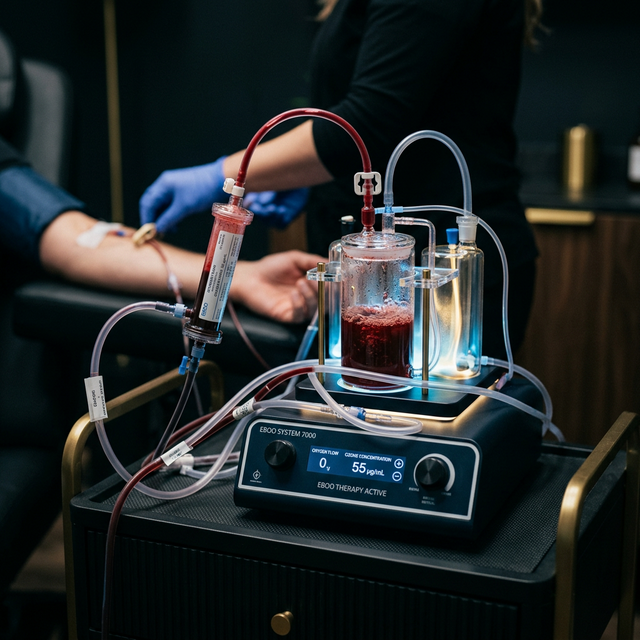 EBOO Therapy
EBOO (Extracorporeal Blood Oxygenation and Ozonation) is the most advanced ozone therapy available. This guide explains exactly how a session works, what the science says, and what to honestly expect.
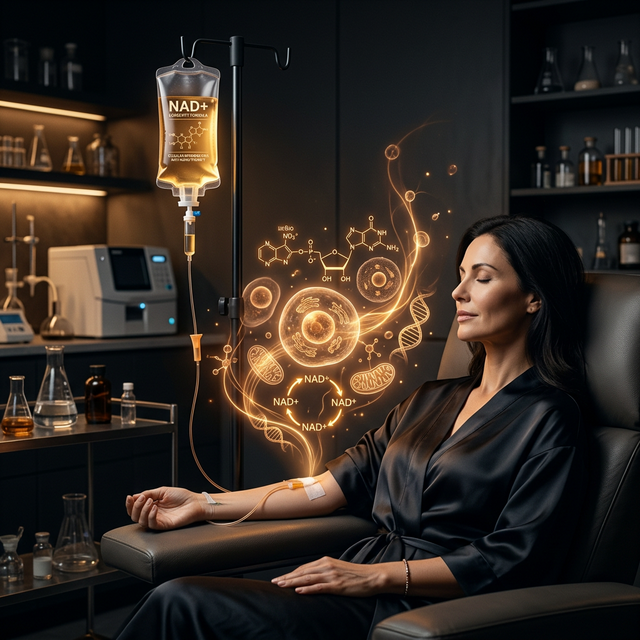 NAD+ Therapy
NAD+ IV therapy has become one of the most talked-about treatments in anti-aging medicine and biohacking. This beginner's guide explains the science, how sessions work, what it's used for, and honest expectations.
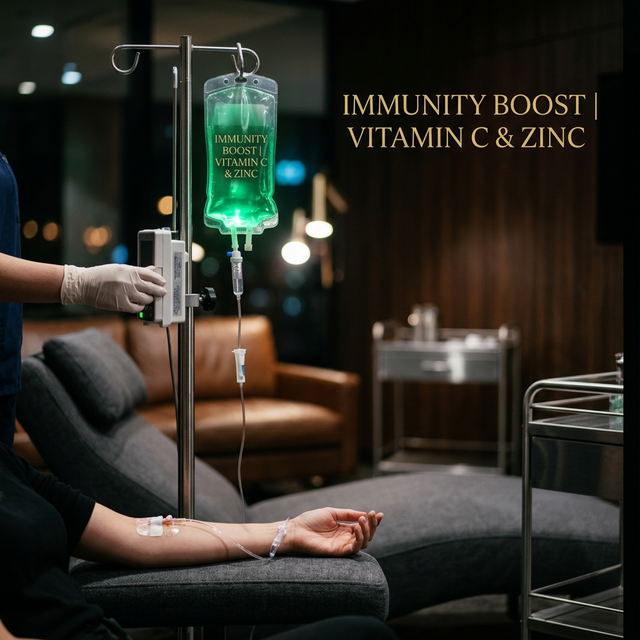 Immunity Drips
Immunity IV drips have surged in popularity since COVID-19. But what does the evidence actually support? This guide breaks down which benefits are scientifically grounded and which are marketing language.

GMC Registered Medical Doctor
Dr. Ahmad is a GMC-registered physician with expertise in intravenous micronutrient therapies, ozone medicine, and integrative longevity protocols. He oversees clinical governance at Harley Street Medical Wellness.
Personalised medical protocols
Explore assessment, treatment choices and follow-up with our London or Glasgow clinic.
Clear Focus
Explore a medical review of ongoing tiredness, selected tests and a plan for your day-to-day energy.
Athlete Advantage
Review training load, recovery and relevant health markers before choosing your next steps.
Active Years
Review your health priorities after 40 and explore a personal plan with a clear point for follow-up.
Tell us what you are interested in and our clinical team will call you back to arrange your appointment.
"After months of chronic fatigue, I tried the NAD+ IV therapy at Harley Street Wellness. Dr. Ahmad and his team were incredibly professional and took t..."
"I was skeptical about IV therapy until a friend recommended Harley Street Wellness. The metabolic health programme has been a game-changer for my perf..."
"The detox IV drip treatment helped me recover from burnout faster than I ever imagined. The team at Harley Street Wellness doesn't just treat symptoms..."
"As someone who travels frequently for work, jet lag and fatigue were constant companions. The IV drip therapy at Harley Street Wellness has become my ..."
"Running a startup meant sacrificing sleep, nutrition, and self-care. I came to Harley Street Wellness completely depleted. Their comprehensive approac..."
"I've tried various wellness treatments across London, but Harley Street Wellness stands apart. The medical expertise is unquestionable, the facilities..."
1-5 Portpool Ln
London EC1N 7UU
United Kingdom
10 Harley Street
London W1G 9PF
United Kingdom
020 4628 3137
Nearest Tube: Oxford Circus (Victoria, Bakerloo, Central lines) and Regent's Park (Bakerloo line).
Metered street parking (maximum 4 hours) on Harley Street. Q-Park Harley Street is located nearby.